When it comes to raising healthy children, parents naturally focus on nutrition, growth milestones, vaccinations, and academic readiness. But one area that is sometimes overlooked is vision care. Children rely on their eyes for nearly 80% of their learning during their formative years. This makes regular visits to a Pediatric Eye Doctor not just beneficial, but essential.
In this comprehensive blog, we’ll explore the importance of pediatric eye care, what makes pediatric eye exams different, the conditions most commonly diagnosed in children, how untreated vision issues can impact development, and why finding the right Pediatric Eye Doctor can transform your child’s educational and social success.
For families in Sparta, NJ, and surrounding areas, Pediatric Eye Exams NJ has become a trusted resource for comprehensive and compassionate vision care. Conveniently located at 328 S Sparta Ave b, ste b2, Sparta, NJ 07871, and available by phone at 973-512-4505, their team is committed to ensuring that every child has the visual foundation they need for a bright future.
What Is a Pediatric Eye Doctor?
A Pediatric Eye Doctor is an optometrist or ophthalmologist who specializes in diagnosing, treating, and managing eye conditions in children. While all eye doctors can conduct exams, pediatric specialists have advanced training and experience in child-specific eye health, vision development, and communication techniques that put young patients at ease.
Pediatric eye doctors focus on preventive care and early detection. Many vision problems can be corrected more easily in childhood than in adulthood, which is why early intervention matters. From nearsightedness and farsightedness to conditions like amblyopia (“lazy eye”) and strabismus (misaligned eyes), pediatric specialists are trained to recognize and manage a wide range of vision issues.
Why Pediatric Eye Care Is So Important
Good eyesight is not just about seeing clearly—it’s about how children interact with the world. Here are some reasons why visiting a Pediatric Eye Doctor is crucial:
- Early Learning and School Success: Reading, writing, and classroom participation all depend on visual ability. If a child can’t see the board or read comfortably, it can negatively impact grades and confidence.
- Sports and Play: Vision is a key factor in coordination, balance, and hand-eye skills, all of which affect athletic performance and everyday play.
- Developmental Milestones: Proper eye alignment, depth perception, and color recognition are tied to cognitive and social development.
- Preventing Long-Term Problems: Issues like amblyopia, if left untreated, can become permanent. Early care from a Pediatric Eye Doctor increases the likelihood of full recovery.
Common Signs Your Child May Need an Eye Exam
Children often don’t realize when something is wrong with their vision. That’s why it’s important for parents to watch for early indicators. Signs your child may need to see a Pediatric Eye Doctor include:
- Frequent squinting or blinking
- Covering one eye or tilting the head to see better
- Complaints of blurry vision or double vision
- Difficulty reading or concentrating on schoolwork
- Eye rubbing or frequent headaches
- Sitting too close to the TV or holding books very close
- Poor coordination or clumsiness during play
- Misaligned or wandering eyes
If you observe any of these symptoms, schedule an exam as soon as possible. At Pediatric Eye Exams NJ, children receive personalized attention in a warm, kid-friendly environment that takes the stress out of vision care.
What to Expect During a Pediatric Eye Exam
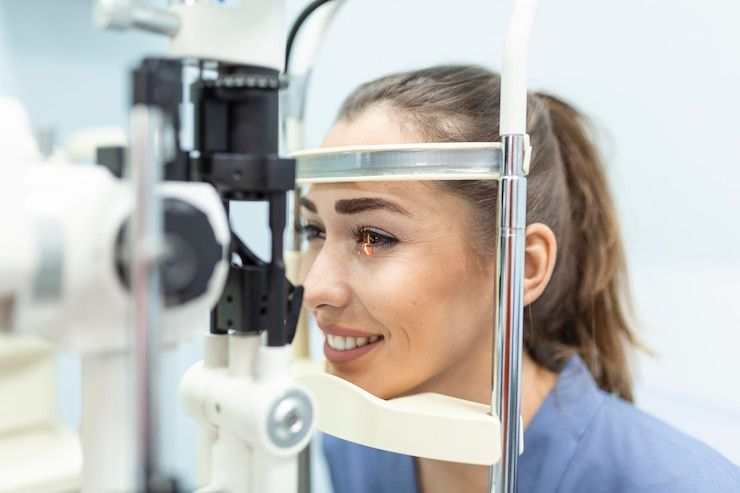
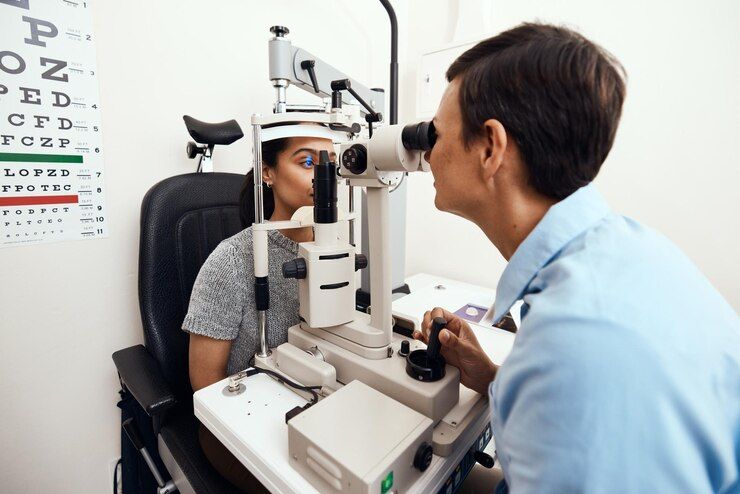
Visiting a Pediatric Eye Doctor is a simple and comfortable process. Here’s what typically happens during a comprehensive pediatric eye exam:
- Case History: The doctor will ask questions about your child’s medical and family history, developmental milestones, and any vision-related symptoms.
- Visual Acuity Tests: Charts with pictures, letters, or symbols assess how clearly your child can see at various distances.
- Refraction Assessment: Determines whether corrective lenses are needed for nearsightedness, farsightedness, or astigmatism.
- Eye Alignment and Teaming Tests: Evaluates how well the eyes work together and checks for strabismus (crossed eyes).
- Focusing Ability: Tests how well the eyes can shift focus from near to far tasks, which is essential for classroom learning.
- Eye Health Evaluation: The doctor uses special instruments to check the retina, optic nerve, and overall eye health.
At Pediatric Eye Exams NJ, located at 328 S Sparta Ave b, ste b2, Sparta, NJ 07871, the exam process is designed to be engaging and stress-free for kids.
Common Eye Conditions in Children
A Pediatric Eye Doctor can diagnose and treat a wide variety of eye issues. Some of the most common include:
- Myopia (Nearsightedness): Children with myopia struggle to see distant objects clearly, such as the board in school.
- Hyperopia (Farsightedness): Kids with hyperopia may have trouble focusing on near objects like books or digital screens.
- Astigmatism: An irregular cornea or lens shape causes blurred or distorted vision at all distances.
- Amblyopia (Lazy Eye): One eye is weaker than the other, leading the brain to rely more on the stronger eye.
- Strabismus (Crossed Eyes): Eyes do not align properly, leading to potential double vision or eye strain.
- Convergence Insufficiency: Difficulty keeping the eyes aligned for close tasks like reading.
- Color Vision Deficiency: Difficulty distinguishing between certain colors.
Early treatment is often very effective, especially when guided by a skilled Pediatric Eye Doctor.
How Vision Issues Affect School Performance
It’s easy to mistake vision problems for learning disabilities or behavioral challenges. A child who struggles to see may appear distracted, unmotivated, or disinterested in schoolwork. However, after proper diagnosis and treatment from a Pediatric Eye Doctor, many children show dramatic improvements in performance and self-confidence.
Teachers often notice vision issues first, but parents can advocate for their children by making comprehensive eye exams part of their routine care.
Recommended Eye Exam Schedule for Kids
Experts, including the American Optometric Association, recommend the following timeline:
- Infants: First comprehensive eye exam at 6 months old.
- Preschoolers: At age 3, before starting school.
- School-age children: Every two years if no correction is required, or annually if wearing glasses or contacts.
Following this schedule with a trusted Pediatric Eye Doctor ensures that vision problems are caught early and treated effectively.
The Role of Technology in Pediatric Eye Care
Modern diagnostic technology has made pediatric vision exams more accurate and less intimidating for children. Tools such as retinal imaging, computerized refraction systems, and non-invasive eye alignment tests allow for precise results without discomfort.
At Pediatric Eye Exams NJ, families benefit from advanced technology in a child-friendly setting, making visits efficient and stress-free.
Vision Therapy for Children
Some children need more than glasses or contact lenses to achieve optimal vision. A Pediatric Eye Doctor may recommend vision therapy—a customized program designed to improve eye coordination, focusing, and visual processing. Vision therapy can be especially helpful for children with amblyopia, strabismus, or reading-related vision challenges.
Much like physical therapy for muscles, vision therapy trains the eyes and brain to work together more effectively.
Protecting Children’s Eyes in the Digital Age
With kids spending more time on tablets, phones, and computers, digital eye strain is becoming more common. A Pediatric Eye Doctor can provide guidance on limiting screen-related issues. Recommendations often include:
- Following the 20-20-20 rule: Every 20 minutes, take a 20-second break to look at something 20 feet away.
- Encouraging daily outdoor play, which has been shown to reduce the risk of developing myopia.
- Ensuring proper posture, lighting, and screen distance when using devices.
- Limiting recreational screen time and balancing it with physical activities.
Why Parents in Sparta, NJ Choose Pediatric Eye Exams NJ
Choosing the right Pediatric Eye Doctor means finding someone who combines clinical expertise with compassion. Parents in Sparta and surrounding areas trust Pediatric Eye Exams NJ for:
- Specialized pediatric training and years of experience
- A welcoming, child-focused environment
- Advanced diagnostic tools
- Comprehensive care for a wide range of conditions
- Strong commitment to preventive vision care
📍 Address: 328 S Sparta Ave b, ste b2, Sparta, NJ 07871
📞 Phone: 973-512-4505
🌐 Website: Pediatric Eye Exams NJ
Professional Hashtags
When sharing pediatric vision care content online, the right hashtags help build awareness:
#PediatricEyeDoctor #ChildVisionCare #KidsEyeHealth #EyeExamsForChildren #HealthyVision #SpartaNJOptometrist #PediatricEyeCare #VisionMatters
Conclusion: Give Your Child the Gift of Clear Vision
Your child’s vision is a foundation for their success in school, sports, and everyday life. Regular visits to a Pediatric Eye Doctor ensure that vision problems are detected and treated before they interfere with learning and development.
At Pediatric Eye Exams NJ, families can count on compassionate, expert care tailored to children’s unique needs. Don’t wait until vision issues become a barrier—schedule your child’s eye exam today.
📍 328 S Sparta Ave b, ste b2, Sparta, NJ 07871
📞 Call: 973-512-4505
🌐 Visit: Pediatric Eye Exams NJ