Healthy vision plays an important role in a child’s development, learning, and everyday activities. From reading books and completing schoolwork to playing sports and spending time outdoors, children rely on their eyes to explore the world around them. However, vision problems are not always easy for parents to recognize because children may not realize that what they see is different from normal.
Professional children’s eye care helps parents understand their child’s visual development, identify potential concerns, and determine whether further evaluation or vision correction may be needed. For families in Sparta, New Jersey, knowing when to schedule an eye examination and what to expect during the visit can make caring for a child’s vision much easier.
At Pediatric Eye Exams NJ, located at 328 S Sparta Ave B, Ste B2, Sparta, NJ 07871, parents can learn more about pediatric eye examinations and the importance of monitoring children’s vision as they grow.
Whether your child is preparing for school, experiencing difficulty with reading, or simply due for a routine eye check, understanding pediatric eye care can help you make informed decisions about their visual health.
Why Is Children’s Eye Care Important?
Children use their vision constantly, even when they are not aware of it. Clear eyesight and properly functioning eyes support activities such as recognizing letters, following instructions, judging distances, and coordinating movements.
Some vision problems develop gradually. A child may adapt to blurry vision or assume that everyone sees the same way. Without an eye examination, these concerns can go unnoticed.
Regular eye care helps parents monitor their child’s visual development and seek professional guidance when something appears unusual.
Supporting Learning and School Performance
Vision is an important part of many classroom activities. Children use their eyes to read textbooks, look at whiteboards, work on computers, and participate in hands-on lessons.
When a child has an uncorrected vision problem, tasks that involve focusing or seeing clearly may become more difficult. A child who struggles with reading, loses their place frequently, or complains of headaches after school may benefit from a professional eye evaluation.
These symptoms do not automatically indicate a vision problem, but they are worth discussing with an eye care professional.
Recognizing Problems Children May Not Report
Young children may not have the vocabulary to explain blurry vision, eye strain, or difficulty focusing. Instead, parents might notice changes in their behavior.
Pay attention if your child frequently:
- Squints when looking at distant objects.
- Holds books or electronic devices unusually close.
- Rubs their eyes repeatedly.
- Tilts their head to see more clearly.
- Closes one eye while looking at something.
- Complains of headaches or tired eyes during visual activities.
- Has difficulty recognizing objects at a distance.
These signs do not confirm a diagnosis. They simply indicate that a professional assessment may be helpful.
When Should Children Have an Eye Examination?
One of the most common questions parents ask is when to schedule their child’s first eye examination. The answer depends on the child’s age, development, symptoms, and any existing concerns.
A pediatrician may screen a child’s vision during routine visits, but vision screening is not the same as a comprehensive eye examination. Screening can identify certain concerns, while a full examination can provide a more detailed assessment of eye health and visual function.
Infants and Toddlers
Early vision development begins during infancy. Parents should discuss their child’s visual development with their pediatrician and seek an eye care evaluation when recommended or when concerns arise.
An early vision assessment may be particularly important if a child has unusual eye movements, persistent eye misalignment, or difficulty visually following objects as expected.
Preschool-Age Children
The preschool years are an important time to evaluate vision before formal schooling begins. Children need to use their eyes for picture recognition, early reading activities, drawing, and interacting with their surroundings.
An eye examination can help identify concerns that might otherwise remain unnoticed as school-related visual demands increase.
School-Age Children and Teenagers
As children progress through school, their visual needs may change. Reading, homework, sports, and increased screen use can make existing vision difficulties more noticeable.
Parents should arrange an examination if a child develops new symptoms or has difficulty seeing clearly. The appropriate frequency of follow-up visits depends on the child’s individual needs and the recommendations of their eye care professional.
What Happens During a Comprehensive Eye Exam for Kids?
A comprehensive eye exam for kids evaluates more than whether a child can read letters from a distance. The specific tests depend on the child’s age, ability to participate, symptoms, and clinical needs.
Understanding what may happen during an appointment can help parents prepare their children and reduce uncertainty.
Reviewing Vision and Medical History
The examination may begin with questions about the child’s general health, family history of eye conditions, previous vision screenings, and any symptoms noticed at home or school.
Parents should mention concerns such as squinting, frequent headaches, difficulty reading, or a history of eye problems in the family.
Evaluating Visual Clarity
Age-appropriate methods can be used to assess how clearly a child sees objects at different distances. Younger children may use pictures, symbols, or other techniques rather than traditional letters.
These assessments help the eye care professional determine whether the child may have difficulty seeing clearly and whether additional testing is appropriate.
Checking Eye Alignment and Focusing
Both eyes need to work together effectively for many everyday tasks. An examination may assess how the eyes align, move, and focus on objects.
These functions are important for activities such as reading, catching a ball, and shifting attention between nearby and distant objects.
Examining Eye Health
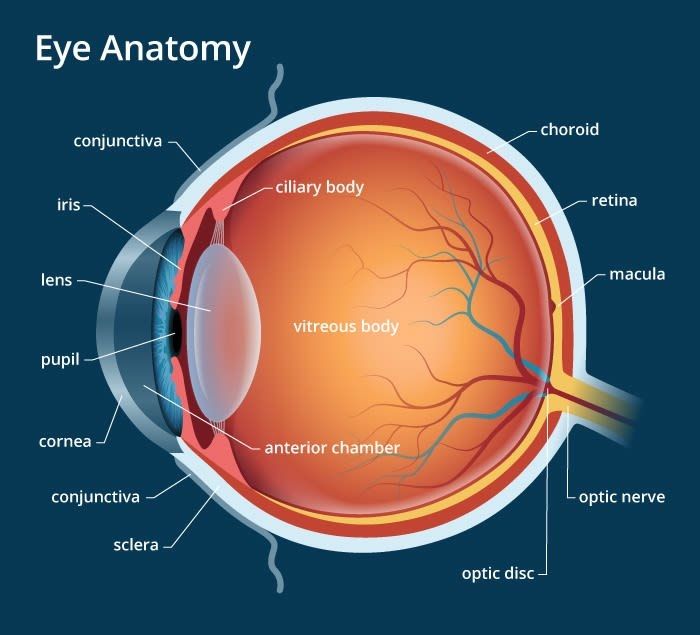
Depending on the child’s needs, the examination may include an assessment of the structures of the eyes. Additional tests may be recommended when symptoms, findings, or medical history indicate that further evaluation is necessary.
Parents should feel comfortable asking the eye care professional what each test measures and whether any follow-up is needed.
The Benefits of Early Vision Assessment
An early vision assessment gives parents an opportunity to address potential concerns before they interfere with everyday activities. Early evaluation does not prevent every eye condition, but it can help identify problems that require monitoring, treatment, or vision correction.
Identifying Refractive Errors
Refractive errors occur when the eyes do not focus light properly. Common examples include nearsightedness, farsightedness, and astigmatism.
Depending on the type and severity of the refractive error, a child may experience blurry vision, difficulty focusing, or visual discomfort. An eye care professional can determine whether vision correction is appropriate.
Monitoring Eye Coordination
Some children experience difficulties with eye alignment or coordination. These concerns may affect how comfortably they perform certain visual tasks.
A professional examination can help determine whether an issue is present and what next steps may be appropriate.
Establishing a Record of Visual Development
Routine examinations allow parents and eye care professionals to monitor changes over time. This information can be useful when a child develops new symptoms or when follow-up testing is recommended.
For families in Sparta, NJ, making eye care part of a child’s overall health routine can help keep visual concerns from being overlooked.
Children’s Eye Care and Screen Time
Screens are part of modern childhood. Children may use tablets for schoolwork, computers for assignments, and phones or televisions for entertainment.
Extended periods of close-up screen use can contribute to temporary eye strain, dryness, headaches, or difficulty shifting focus. These symptoms may also have other causes, so persistent problems should not automatically be blamed on screens.
Parents can encourage healthier visual habits with a few practical steps:
- Take regular breaks: Encourage children to look away from nearby screens periodically and focus on something farther away.
- Spend time outdoors: Include outdoor play and other activities that do not require prolonged close-up focus.
- Maintain comfortable viewing distances: Avoid holding screens extremely close to the face.
- Use appropriate lighting: Reduce glare and make sure reading areas are comfortably lit.
- Balance screen-based activities: Include physical play, hobbies, and other activities throughout the day.
These habits can support visual comfort, but they do not replace professional eye examinations.
Finding an Affordable Pediatric Eye Exam in Sparta, NJ
Cost is a reasonable consideration when parents plan routine healthcare for their children. Families searching for an affordable pediatric eye exam should look beyond the initial appointment price and understand what the examination includes.
Before scheduling, consider asking the provider:
- What does the examination include?
- What is the total expected cost?
- Is vision screening different from the comprehensive examination being offered?
- Does my insurance plan cover pediatric eye examinations?
- Could additional testing or follow-up visits involve separate charges?
Coverage varies by insurance plan, and the cost of an examination can depend on the services required. It is best to confirm current pricing and coverage directly rather than assume that every appointment includes the same tests.
Parents in Sparta and nearby communities can use these questions to compare options and choose care that fits their child’s needs and their household budget.
Choosing Children’s Eye Care in Sparta, New Jersey
Selecting an eye care provider involves more than finding the closest office. Parents should look for information about the services offered, the provider’s approach to examining children, appointment arrangements, and the ability to answer questions clearly.
When researching pediatric eye care in Sparta, consider the following:
- Age-appropriate examinations: Ask how the provider evaluates children at your child’s developmental stage.
- Clear communication: Choose a setting where parents can discuss symptoms and understand examination findings.
- Practical scheduling: Consider appointment availability and how easily your family can reach the office.
- Transparent costs: Confirm fees and insurance details before the appointment.
- Follow-up guidance: Ask how recommendations and future examinations will be communicated.
Pediatric Eye Exams NJ provides information about pediatric eye examinations through its website. Families can review the available service information and contact the practice to ask questions about scheduling and examination options.
Address: 328 S Sparta Ave B, Ste B2, Sparta, NJ 07871
Phone: 973–512–4505
Website: https://eyedealeyecarenj.com/optometrist-service/pediatric-eye-exams
Frequently Asked Questions About Children’s Eye Care
1. At What Age Should My Child Have Their First Eye Exam?
Children’s vision should be monitored from infancy. The timing of a comprehensive examination depends on the child’s development, symptoms, screening results, and professional recommendations. Ask your pediatrician or eye care professional when a full examination is appropriate for your child.
2. How Do I Know If My Child Needs an Eye Exam?
Watch for squinting, frequent headaches, holding objects unusually close, difficulty seeing distant objects, or complaints of tired eyes. Some children have no obvious symptoms, so routine vision screening and age-appropriate eye care remain important.
3. What Is the Difference Between Vision Screening and a Comprehensive Eye Exam?
Vision screening is a preliminary check designed to identify possible problems. A comprehensive eye exam evaluates vision and other aspects of eye function and health in greater detail. A child who does not pass a screening may need a comprehensive examination.
4. How Much Does an Affordable Pediatric Eye Exam Cost in Sparta, NJ?
The cost depends on the provider, examination requirements, insurance coverage, and any additional testing. Contact Pediatric Eye Exams NJ at 973–512–4505 to ask about current fees, accepted insurance plans, and what the examination includes.
5. Can Too Much Screen Time Affect My Child’s Eyes?
Extended screen use can contribute to temporary eye strain, dryness, and headaches. Encourage regular breaks, comfortable viewing distances, and a healthy balance of indoor and outdoor activities. If symptoms persist or your child has difficulty seeing clearly, arrange a professional evaluation.
Schedule Your Child’s Eye Care Appointment in Sparta, NJ
Healthy vision supports the way children learn, play, and experience their surroundings. Recognizing possible symptoms, arranging appropriate examinations, and encouraging comfortable visual habits are practical steps parents can take to support their child’s eye health.
If you are looking for information about children’s eye care in Sparta, NJ, Pediatric Eye Exams NJ is a local resource to consider when exploring pediatric eye examination options.
Contact the practice to discuss your child’s needs, ask about available examination services, and confirm appointment details.
Pediatric Eye Exams NJ
Address: 328 S Sparta Ave B, Ste B2, Sparta, NJ 07871
Phone: 973–512–4505
Website: Learn more about pediatric eye exams